















Common Dermatological Diseases
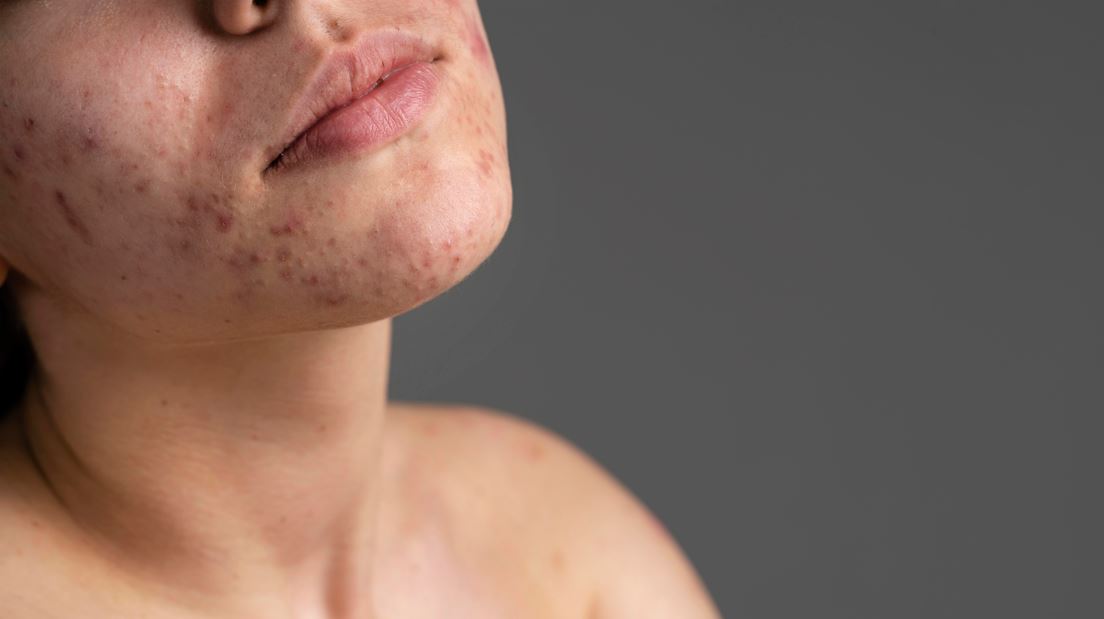
The skin is the largest organ of the body and can be affected by multiple diseases. At Medicality, we diagnose and treat the most common skin conditions, always with a personalized approach based on scientific evidence.
Among the most frequently treated conditions are:
- Atopic dermatitis
- Psoriasis
- Acne
- Rosacea
- Skin infections: bacterial, viral, or fungal (such as impetigo, herpes, or ringworm).
- Alopecia: hair loss due to hormonal, immunological, or hereditary causes.
In our clinic, we perform a comprehensive evaluation to determine the origin of the problem and offer the most appropriate treatment.
Skin Tumors
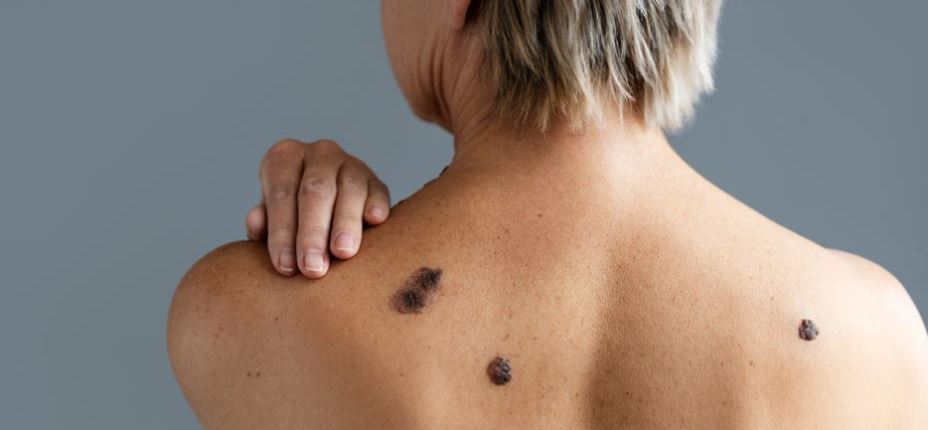
Skin tumors can be benign or malignant, and early detection is key to successful treatment. If you have any doubts about a skin lesion, visit our specialist for an accurate assessment and peace of mind.
Most common benign lesions:
- Moles (melanocytic nevi)
- Sebaceous cysts
- Lipomas
- Seborrheic keratoses
- Soft fibromas
Most frequent malignant tumors:
- Basal cell carcinoma: the most common, slow-growing, and with a low risk of metastasis.
- Squamous cell carcinoma: may spread if not treated promptly.
- Melanoma: a highly aggressive tumor that requires early diagnosis.
We have specialists in dermato-oncology and advanced technology for the early detection of suspicious lesions.
Diagnostic Methods
Accurate diagnosis is the foundation of effective treatment. Our approach combines technology with clinical expertise to provide fast and precise results.
Main diagnostic methods:
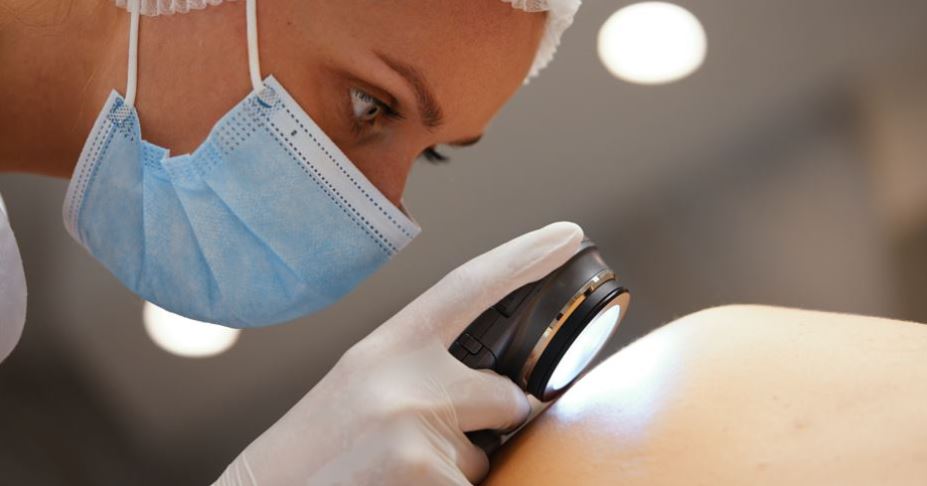
- Digital dermatoscopy: allows analysis of pigmented or suspicious lesions without surgery.
- Skin biopsy: a simple and safe procedure to confirm histological diagnoses.
- Trichoscopy: examination of the scalp and hair shaft to evaluate different types of alopecia.
- Cultures and microbiological tests: identification of bacterial or fungal infections.
- Skin allergy tests.
Dermatological Treatments
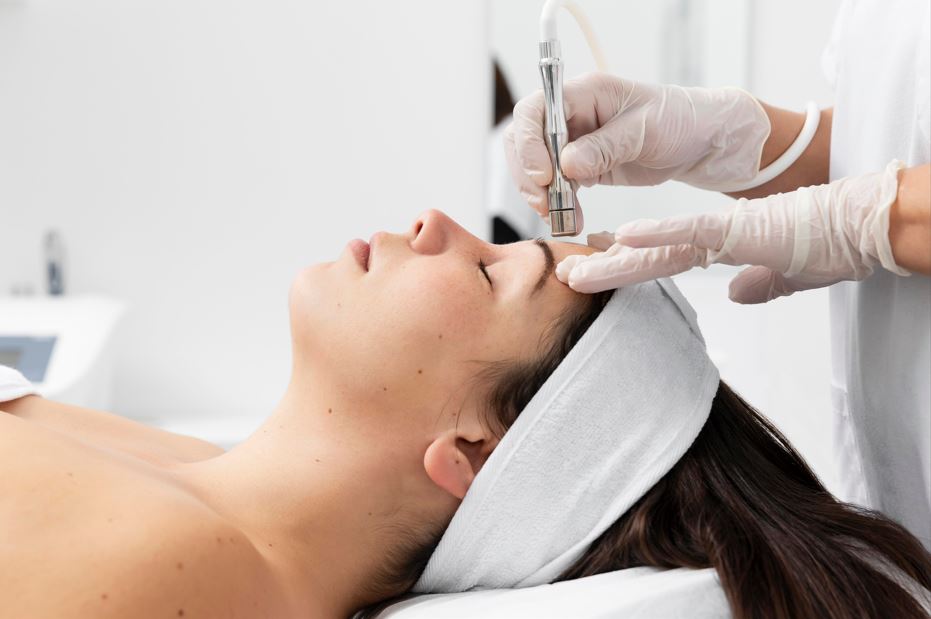
Each skin is unique, which is why we offer personalized treatments tailored to the diagnosis and specific needs of each patient.
Most commonly used therapeutic options:
- Topical treatments (creams, ointments, medicated lotions).
- Oral or injectable medications for inflammatory or autoimmune conditions.
- Cryotherapy for the removal of warts and benign lesions.
- Dermatological laser for vascular, pigmented, or rejuvenation purposes (external service in partner clinics).
We aim not only for healing but also for the well-being and aesthetic health of the skin.
Mesotherapy for Alopecia
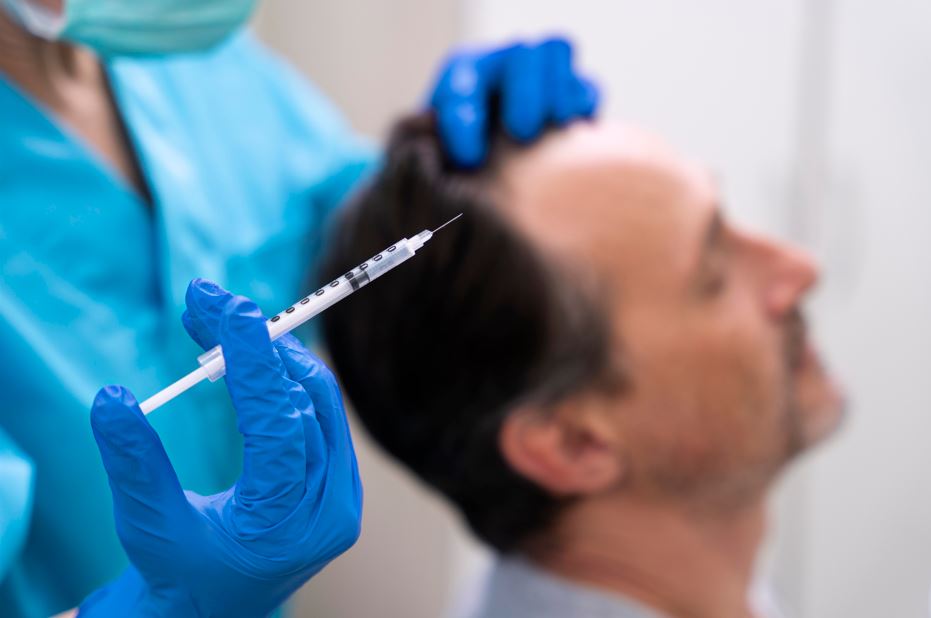
Capillary mesotherapy is a minimally invasive technique used to stimulate hair growth and improve hair quality.
What does it involve?
Microinjections are applied to the scalp with substances such as vitamins, amino acids, minerals, and growth factors. These stimulate the hair follicle, improve circulation, and slow down hair loss.
Indications:
- Androgenetic alopecia (male or female)
- Telogen effluvium
- Weak or thinning hair
Benefits:
- Strengthens the hair follicle
- Improves hair shine and thickness
- Slows hair loss
- Safe, quick, and virtually painless technique
In expert hands, capillary mesotherapy provides visible and natural results in just a few sessions.
Oncologic Dermatology
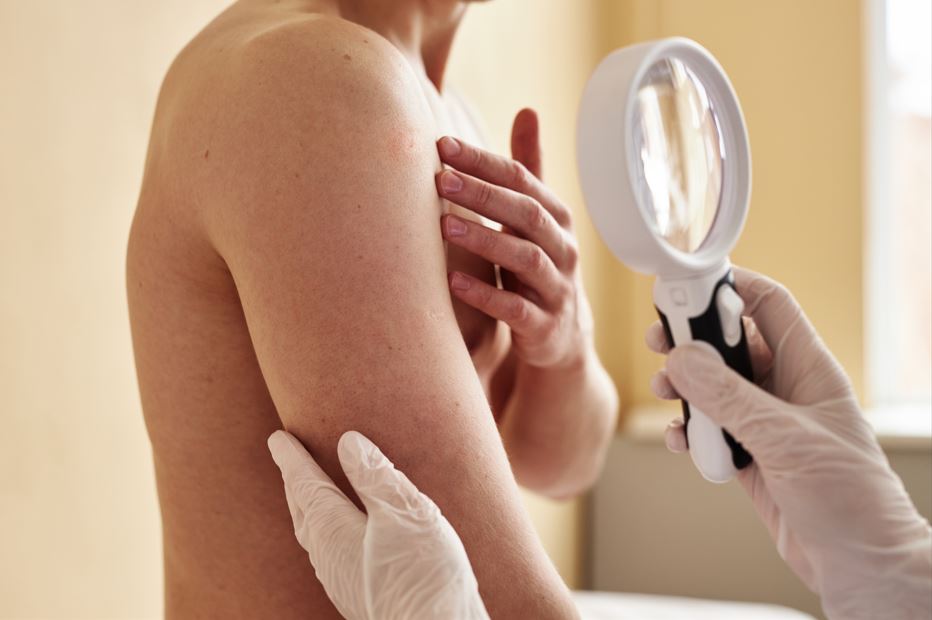
Oncologic dermatology focuses on the prevention, diagnosis, and treatment of skin cancers, as well as the follow-up of patients with a high risk or history of malignant lesions. Early detection is essential for effective treatment and to minimize complications.
🔍 Main areas of action:
- Early detection of skin cancer: through regular check-ups, digital dermatoscopy, and monitoring of suspicious moles.
- Differential diagnosis of pigmented lesions: detailed analysis to distinguish between benign nevi and melanomas.
- Treatment of skin tumors: medical, surgical, or combined approaches depending on the type and extent of the lesion.
• Oncologic dermatologic surgery: precise tumor removal with safety margins and reconstructive techniques to preserve aesthetics.
• Post-treatment surveillance and control: follow-up of patients with a history of skin cancer or intense sun exposure.
Make an appointment